Finding the right minimum age for daycare in NZ is a significant decision, often balancing the need to return to work with the emotional weight of leaving your little one. It is common to feel a mix of guilt and anxiety as you wonder if your infant is ready for a structured environment. These worries are valid, especially when navigating career demands while ensuring your baby receives the highest level of nurturing during their most formative months.
The answer to “Is my baby ready for daycare in NZ?” is rarely a simple number on a calendar; it depends on your child’s personality and your family’s unique needs. Understanding the local landscape of early childhood education helps turn this daunting milestone into a confident step toward your child’s social and emotional development.
Legally, What Is the Minimum Age for Daycare in NZ?
In New Zealand, there is no specific age set for starting early childhood education. Instead, the minimum age for daycare in NZ is usually determined by individual centre policies, with many accepting infants from three months old.
Understanding how different age groups transition can help you decide when your child is ready:
- Infants (3–6 Months). In this, the minimum age for daycare in NZ focuses on mirroring home routines to provide consistency. Strong, individual bonds and gentle care help the youngest babies feel secure in their new environment.
- Older Infants (6–12 Months). Mobile babies benefit from sensory-rich spaces for safe exploration. Early social interactions with peers support the development of their communication and motor skills.
- Toddlers (12+ Months). Children establish independence and social confidence through structured group play. This fosters early friendships and a strong foundation for future learning.
The Chef’s Advantage: Why Provided Food and Nappies Matter
Every small help counts when you are balancing family life and returning to work. It is easy to underestimate the time needed to prepare meals and pack bags, but choosing a centre that provides these essentials offers genuine relief. For parents navigating the minimum age for daycare in NZ, these thoughtful details demonstrate what a truly supportive and respectful environment looks like.
At Remarkable Kids, we provide:
- On-site Chef. A qualified chef prepares fresh, balanced meals daily using ingredients approved by the Healthy Heart Foundation. This ensures that every child receives the high-quality nutrition necessary for their physical growth and development.
- No Morning Rush. Families are freed from the daily pressure of packing lunchboxes or managing dietary requirements while rushing out the door. This simplifies the transition back to work and allows for a much calmer start to the morning.
- Nappies Supplied. Including nappies in the service mitigates the need for parents to track and pack supplies throughout the week. This thoughtful inclusion ensures consistent hygiene and reflects a commitment to supporting busy households.
Setting the Stage for Success: What Is Early Childhood Education?
While many parents see learning in school classrooms, early childhood education for infants and toddlers looks very different. It is the art of helping children make sense of the world through curiosity, sensory play, and secure relationships. When you look beyond the minimum age for daycare in NZ, you see that high-quality care transforms simple discoveries into the first steps of lifelong learning.
Key Benefits of Early Learning
Engaging in an early learning environment gives several foundational advantages for a child’s development:
- Builds Communication Skills. Infants develop these through constant social interactions with peers and responsive teachers who interpret their unique cues. This early exposure to language and non-verbal communication helps them learn how to express their needs and thoughts clearly.
- Develops Confidence. A supportive environment encourages children to take small risks. These successful tiny discoveries build the self-assurance needed to navigate more complex challenges as they grow older.
- Nurtures Emotional Intelligence. Being part of a caring community helps children recognise their own feelings and the emotions of others in a safe setting. This emotional security is vital for developing empathy and building the foundation for healthy, lasting relationships.
The Bicultural Foundation: Growing Global Citizens
New Zealand’s culture is built on connection, respect, and belonging, shaping the environment for every child. From the earliest stages, tamariki (children) learn through Te Reo and Tikanga Māori, which helps build empathy and cultural awareness in simple, everyday ways. For families considering the minimum age for daycare in NZ, it is helpful to know that this cultural foundation reminds children they are part of a shared story.
Cultural Learning in Action
Integrating these values ensures that children grow up appreciating diversity and inclusion as part of their natural development:
- Daily Te Reo Greetings. Kaiako (teachers) greet children with “kia ora” and use simple Māori phrases. This aims to normalise the language. This consistent exposure helps even the youngest infants become familiar with the sounds and rhythms of Te Reo Māori.
- Singing Waiata Together. Music is a powerful tool for connection, and singing waiata (songs) helps children learn through melody and repetition. These musical moments foster a sense of group unity and joy while celebrating New Zealand’s cultural identity.
- Sharing Pūrākau (Stories): Educators share traditional stories that emphasise values such as kindness, gratitude, and respect for the natural world. These narratives help children develop a moral compass
The Nurturing Village: Building Foundational Trust (3–18 Months)
For infants aged 3 to 18 months, care revolves around emotional connection and foundational trust. While the minimum age for daycare in NZ often concentrates on logistics, the true priority is finding a “village” that offers consistent love and gentle routines. At this stage, a nurturing environment is far more important than a rigid schedule, as a secure base helps babies feel safe as they begin to explore the world.
How Bonds Are Built
Building a deep emotional link with an infant needs patience and attentive care from educators. By prioritising individual needs, caregivers guarantee every baby feels seen and understood through these key practices:
- Primary Caregiving. Assigning a specific kaiako to each baby builds a secure attachment. This dedicated teacher learns your child’s unique cues, giving them the confidence they need to explore.
- Familiar Routines. We mirror your home schedule for feeding and naps. This predictability makes the centre feel like an extension of home.
- Gentle Interactions. From diaper changes to play, every moment is an opportunity to bond through soft tones and eye contact, teaching infants that their needs are always met with kindness.
From Toddler to Learner: The Transition for Preschoolers (3–6 Years)
As children reach preschool age, they shift from seeking emotional security toward building social independence and tackling complex questions. This emphasises purposeful play, helping tamariki develop the resilience and teamwork skills needed for primary school.
These shifts help parents support their child’s growing autonomy:
- From Security to Independence. Preschoolers move toward self-reliance and school readiness. By taking initiative in daily tasks and making independent choices, they build the self-assurance needed for a classroom setting.
- From Parallel to Collaborative Play. Social development shifts from playing alongside others to forming deep friendships. Children learn turn-taking and cooperative problem-solving, which are crucial for social dynamics.
- From Discovery to Critical Thinking. While early learning is sensory-based, the preschool curriculum emphasises logic. Engaging in complex challenges helps children develop critical thinking skills.
Activities for Growth and Discovery
In early childhood education, preschool activities are collaborative and goal-oriented, preparing children for their next educational chapter. These help tamariki build the confidence to handle more complex academic tasks:
- Collaborative Group Projects. Children work together on shared goals, such as building structures or creating large-scale art. This teaches them to communicate ideas clearly and respect peer input, fostering a strong sense of community.
- Problem-Solving Exercises. Educators introduce logic games and puzzles that challenge children to think critically and find creative solutions. These tasks build resilience, helping children understand that persistence is the key to overcoming obstacles.
- Creative Expression and Literacy. Through storytelling and interactive play, preschoolers begin to recognise patterns in language and narrative. These activities foster a love for literacy and provide the tools needed to express sophisticated thoughts and emotions.
Navigating Subsidies: Maximising Value with ECE Hours
Quality care should be affordable, and New Zealand’s support systems help make this a reality. For parents researching the minimum age for daycare in NZ, these financial options are key to planning a return to work. Whether your child starts as an infant or a toddler, navigating these subsidies guarantees you receive the best value for your family.
Financial Support Options
Government assistance lessens cost barriers, so your child benefits from professional care and social development:
- 20 Hours ECE Subsidy. Children aged three and older can access up to 20 hours of fully funded care per week. This significantly lowers weekly fees as preschoolers prepare for their transition to primary school.
- WINZ Childcare Subsidy. Additional assistance is available through Work and Income (WINZ) for younger children based on household income and work hours. This ensures that even the youngest infants can begin their learning journey regardless of a family’s financial situation.
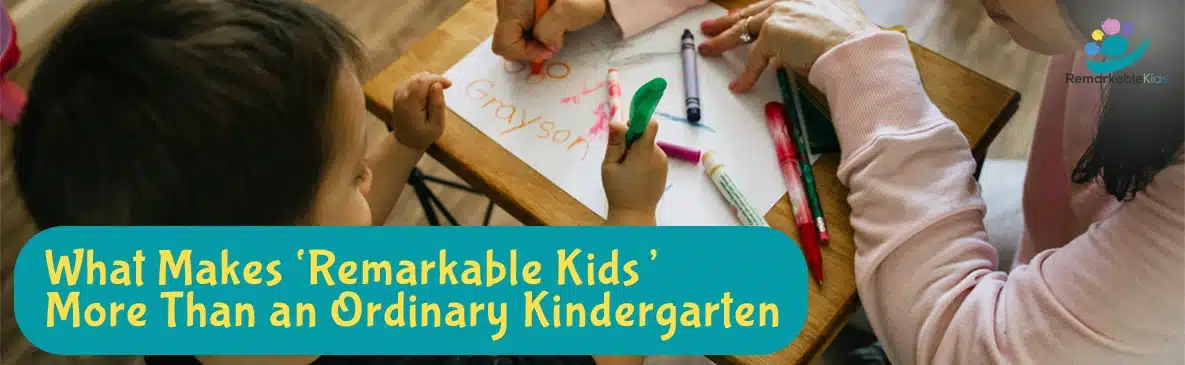
Finding Your Tribe: More Than Just a Kindergarten Near Me
In Content Image OnSiteBlog Jan 2025 Remarkable Kids
Parenting can feel isolating, particularly during the early months of new routines and limited sleep. Finding a community where both you and your child feel seen and supported makes a huge difference.
A high-quality centre for your kid’s early childhood education serves as a village, becoming a vital part of a family’s story and fostering lifelong connections between parents and educators. For those asking the minimum age for daycare in NZ, this sense of belonging offers the emotional reassurance needed to transition back to work without worrying about your child.
The Practical Commitment: Minimum Attendance and Holiday Discounts
Transparency in costs and attendance is vital for parents. At Remarkable Kids, a two-day minimum enrolment guarantees children settle into routines and build stable bonds with their kaiako. This supports both family well-being and financial balance, key factors when navigating the minimum age for daycare in NZ.
Families gain an edge from practical solutions designed to respect their time and household budget:
- 50% Holiday Discounts. This provides flexibility during breaks, allowing families to enjoy time together without the burden of full tuition costs.
- Sibling Savings. This makes quality care more affordable for larger families, so siblings can learn together in a consistent, high-quality environment.
The Open Door: Building Trust with Whānau
Trust grows through transparency, and parents naturally want to stay connected to their child’s day. Remarkable Kids embraces this through an open-door policy, inviting whānau to visit, observe, and participate at any time. This openness builds genuine confidence, so you never feel distant from your child’s learning, play, or friendships.
Teachers keep families updated through consistent conversations, photos, and progress notes. In a decision as personal as the minimum age for daycare in NZ, this level of communication is everything. When parents and kaiako share the same goal, the result is a partnership that nurtures the whole child.
Taking the First Step: Choosing the Best Path for Your Child
Picking daycare is one of the most significant decisions a parent makes, balancing practical needs with a child’s emotional readiness. While the minimum age for daycare in NZ offers a logistical starting point, finding a community that understands your child’s heart matters most. By concentrating on trust and connection, you can turn this transition into a confident step toward lifelong curiosity and growth.
At Remarkable Kids, every detail—from the warm morning welcome to the purposeful play—is shaped by love and intention. Whether your baby is only three months old or your toddler is ready for preschool, our environment bridges the gap between home and school through care, culture, and community. We prioritise a nurturing, bicultural space where every child feels safe enough to explore at their own pace.
If you are searching for a place that feels like an extension of your family, Remarkable Kids is ready to welcome you at our Whenuapai, Hobsonville, Westgate, or West Auckland centres. We simplify your daily routine by providing all nappies and fresh, Healthy Heart-approved meals prepared by an on-site chef.
Contact our friendly team today to book a visit and discover the perfect environment that meets the minimum age for daycare in NZ.
Frequently Asked Questions
What’s the minimum age to start daycare in NZ—and how does that apply in Westgate, Auckland?
The minimum age for daycare in NZ is commonly three months, as this is when infants often establish more predictable rhythms. At our Westgate centre, we follow this guideline, welcoming pēpi from three months old into specialised, nurturing spaces designed to meet their specific developmental needs.
Is daycare at 3–6 months common in Auckland, and what should parents consider first?
Enrolling infants aged 3 to 6 months is a common choice for Auckland families returning to the workforce. Before starting, parents should consider their child’s emotional readiness and look for a centre that prioritises secure, trusted relationships through a primary caregiving model, in line with the minimum age for daycare in NZ.
How do you help babies settle into daycare in Westgate, Auckland?
We help babies settle through our dedicated model that pairs each child with a primary teacher to ensure they feel safe. Our process includes at least three transition visits, allowing you and your baby to become familiar with the environment and routines before their first full day.
What should Auckland parents pack or prepare for a baby’s first weeks of daycare?
Please pack labelled bottles of milk or formula, spare clothes, and any personal comfort items, such as a special blanket. Since we provide all home-cooked meals and nappies onsite, you only need to focus on packing the specific items that help your baby feel at home as they reach the minimum age for daycare in NZ.
At what age do children transition from infant care to toddler rooms in Auckland centres?
Tamariki usually transition to toddler rooms around 18 months to 2 years, depending on their developmental milestones. This is a gradual, supported process in which kaiako works closely with whānau to ensure the child is ready for the new challenges of the toddler environment.
What’s the difference between daycare and preschool ages in Auckland/NZ?
Daycare provides care for children from birth to age five, while preschool focuses on children aged three to six, preparing them for school. Remarkable Kids offers both, transitioning from nurturing infant care to structured preschool learning to suit any minimum age for daycare in NZ.