2 December 2025
Preschool vs. Kindergarten: What to Look For in Early Childhood Facilities?
When parents start looking for early learning options, the comparison of preschool…
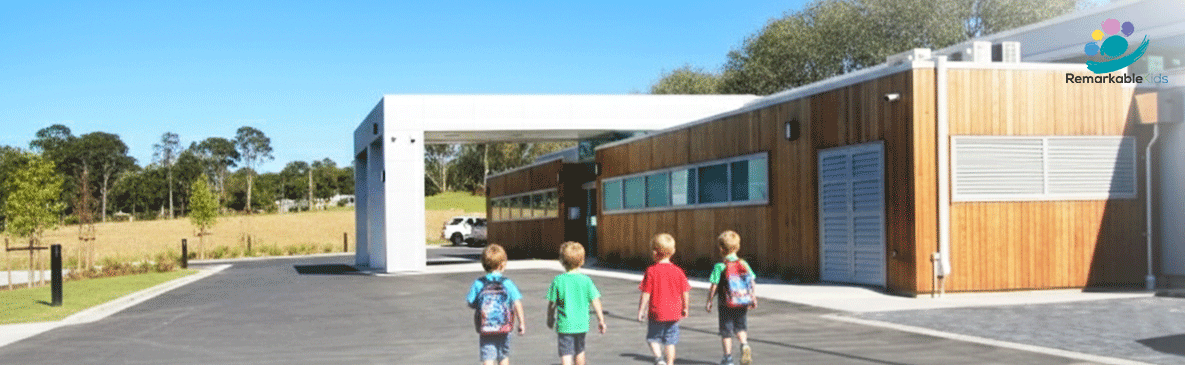
When parents start looking for early learning options, the comparison of preschool vs kindergarten often comes up. Both play a huge role in a child’s first educational experiences, but they differ in their purpose and daily structure.
In New Zealand, both pathways follow the national early childhood curriculum, Te Whāriki. They use play-based learning to help children grow emotionally, socially, and academically.
If you are trying to decide between preschool vs kindergarten, you likely have questions about when to start and what to expect. Some children thrive in flexible settings where they can explore freely, while others do better with structured routines that prepare them for primary school. Understanding your child’s personality and interests is the best way to find the right environment for their learning journey.
Why the Environment Matters
A well-designed space changes how children feel, explore, and interact. Whether you are looking at a preschool vs kindergarten, the building isn’t just a place for care—it is where confidence and curiosity are built.
A well-planned space allows children to move safely, do things on their own, and make friends. When you visit a centre, here is what you should look for:
- Room Design: Open, uncluttered areas help children feel safe and move freely while they play.
- Learning Zones: Look for specific corners for playing, reading, and resting. This balance supports both high energy and quiet time.
- Outdoor Spaces: Safe, inviting areas are essential for building physical strength and connecting with nature.
- Hygiene and Safety: Clean surfaces and safe equipment keep children healthy and stop unnecessary distractions.
- Natural Light: Bright, sunlit rooms help children focus and keep the atmosphere calm.
The right environment gives children the freedom to explore and feel comfortable, creating a positive start to their education.
What Defines a Preschool in New Zealand?
In New Zealand, preschools typically welcome children aged 3 to 5. It is often the first place children make friends outside of their family. Through gentle routines, they learn how to communicate, cooperate, and show respect. The focus is on personal growth and discovery, not test results.
At preschool, teachers combine guided play with chances for children to learn on their own. They support children (tamariki) through conversations and open-ended activities that build confidence and curiosity.
The Advantages of Enrolling in Preschool
Preschool offers a balanced introduction to learning through play. It supports growth in key areas that act as a foundation for the future.
Key benefits include:
- Social Development: Kids learn to share, take turns, and work with others, which builds essential relationship skills.
- Language Growth: Storytime, music, and daily chats expand vocabulary and help children express themselves clearly.
- Emotional Readiness: Children learn to manage their feelings and handle change, which builds resilience.
- Problem-Solving: Puzzles and building games teach children to test ideas and find simple solutions.
- Independence: Simple routines like tidying up or dressing themselves teach responsibility.
Together, these experiences build self-esteem and prepare children for the next stage of learning without any pressure.
Activities to Expect in Preschool Centres
Preschool programmes in New Zealand are full of rich, interactive experiences. These activities help children learn through touch, sound, movement, and imagination, which supports their social, thinking, and emotional growth.
Common examples include:
- Sensory Play: Using sand, water, and natural materials helps children explore texture and improves their fine motor skills.
- Storytelling and Music: Shared stories and rhythm games improve listening skills and communication.
- Creative Arts: Painting, drawing, and simple crafts allow for self-expression and boost hand-eye coordination.
- Outdoor Exploration: Running and playing outside builds physical strength and confidence while teaching respect for nature.
- Pretend Play: Role-play activities help children build empathy, use their imagination, and understand the world around them.
A Guide to Selecting the Right Centre
Choosing the right place for your child is a big decision. When comparing preschool vs kindergarten, you need to look at more than just the cost or how close it is to home. The atmosphere, the teachers, and how they communicate with you are all important.
Here is what you should look for when visiting a centre in New Zealand:
- The Teachers: Look for warm, patient educators. Teachers who respond calmly to children build trust and create a consistent environment.
- Learning Style: Good programmes value curiosity and creativity. This approach encourages children to grow emotionally and mentally at their own pace.
- Safety First: Check for secure gates, clean spaces, and active supervision. This ensures peace of mind for both you and your child.
- Parent Updates: Look for centres that keep you in the loop. Regular updates about meals, naps, and progress help you stay connected to your child’s day.
- Class Size: Smaller groups usually mean teachers can give your child more individual attention and build stronger relationships.
What Defines a Kindergarten in New Zealand?
In New Zealand, kindergarten typically serves children aged 4 to 5, acting as a stepping stone to primary school. While it is still play-based, the environment introduces a bit more structure and routine.
Children start to take ownership of their learning by making their own choices, managing their time, and following group instructions. Teachers use planned activities and guided projects to help children become independent, focused, and confident.
Kindergarten bridges the gap between early play experiences and the expectations of a real school classroom.
The Advantages of Enrolling in Kindergarten
Kindergarten acts as a stepping stone toward primary school. When comparing preschool vs kindergarten, this stage builds on what children have already learned and deepens their ability to concentrate and participate. It gives children a sense of purpose and readiness, making the transition to “big school” much smoother.
Benefits include:
- Focus and Attention: Longer activities help kids practice following instructions and staying focused on a task.
- Teamwork: Shared projects teach children how to work together and communicate with friends.
- Routine Awareness: Following a regular schedule teaches children about consistency and time management.
- Introduction to Academics: Fun games with counting, letters, and patterns prepare children for basic reading and math.
- Confidence: Structured activities make children feel ready for the daily routines of primary school.
Activities You Will See in Kindergarten
Play is still central, but kindergarten activities often have clearer learning goals. These experiences mix fun with education to build confidence.
You can expect to see:
- Reading Circles: Small groups listen to stories to build literacy and listening skills.
- Counting Games: Using blocks or everyday items makes numbers fun and easy to understand.
- Science Exploration: Simple experiments encourage children to be curious and observe the world around them.
- Creative Projects: Art and drama activities link imagination with learning goals.
- Physical Skills: Activities like climbing, hopping, and balancing help strengthen coordination.
How to Select the Right Kindergarten Centre
Choosing the right kindergarten means considering your child’s emotional readiness as well as practical needs. Look for a setting that offers gentle guidance but still keeps the fun spirit of play alive.
When visiting a centre, take note of:
- Curriculum Structure: Look for routines that balance free exploration with basic learning.
- The Teachers: Find experienced educators who understand how children grow and guide them with patience.
- The Environment: Classrooms should have clear routines but still offer enough flexibility for creativity.
- Communication: Choose a centre that keeps you updated on your child’s progress so you can maintain consistency at home.
- Values: Look for centres that teach respect, teamwork, and kindness. This builds a strong foundation for their future.
Once you have compared these factors, trust your instincts. Schedule a visit or enroll your child at the centre that feels right for their unique journey. Your decision today can make a lasting positive impact on their early learning experience.
Preschool vs Kindergarten: What Parents and Families Should Look For
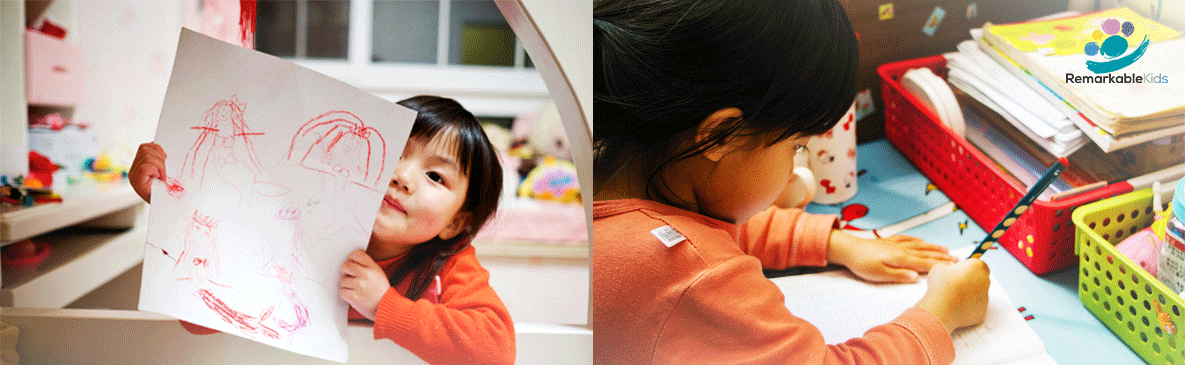
The main difference between preschool vs kindergarten in NZ is the focus, environment, and structure. Both encourage growth, but they serve children at slightly different stages. Understanding these differences helps you decide which facility is the best fit for your child.
Learning Goals and Structure
Knowing the goals of each stage helps you understand how daily activities are planned. While both nurture growth, preschool vs kindergarten use different methods.
- At Preschool: The focus is on exploration and self-expression. Children learn at their own pace through open-ended play, becoming socially aware.
- At Kindergarten: The focus shifts to more structured activities. Teachers encourage concentration, patience, and responsibility to prepare children for the routines of primary school.
Each environment contributes differently to your child’s readiness, ensuring they grow emotionally and mentally while keeping learning exciting.
Curriculum and Learning Focus
A good curriculum shapes a child’s curiosity and confidence. Both preschool and kindergarten use play as a core method for learning, but they structure it differently.
Here is how preschool vs kindergarten differ in their focus:
- Preschool: Centres around building curiosity, cooperation, and communication. Activities encourage creativity and exploration without any pressure.
- Kindergarten: Connects these early social skills to academic foundations, such as basic counting or listening to stories in a group.
Both levels work together to create well-rounded learners who feel confident as they take their next steps in education.
Teaching Approach and Environment
When comparing preschool vs kindergarten, it is essential to look at how teachers interact with the children and the atmosphere they create. A supportive environment helps children feel safe sharing ideas and expressing their thoughts.
While both stages share the same goals of growth and discovery, the way learning happens is different:
- Preschool: Encourages freedom within boundaries. Teachers act as guides rather than instructors, letting children take the lead in their play.
- Kindergarten: Combines guidance with structured teaching moments. This promotes better attention, memory, and group interaction.
This preschool vs kindergarten difference highlights how children transition from flexible play to more focused learning in a supportive way.
What to Look for: Quality and Qualifications
Looking beyond the daily activities, parents choosing between preschool vs kindergarten should look for signs of high-quality care. Observing how teachers connect with the children can tell you a lot about the centre’s culture.
When evaluating any early childhood centre, consider these practical aspects:
- Teacher Qualifications: Trained educators bring essential knowledge about child development and how to manage behaviour positively.
- Centre Atmosphere: A calm, welcoming vibe helps children settle in quickly and feel comfortable.
- Health and Nutrition: Look for nutritious meals and safe food handling to keep your child healthy and energetic.
- Session Length: Check if they offer full or part-day options that fit your family’s schedule and your child’s ability to focus.
- Cultural Inclusion: Centres that celebrate diversity help foster a sense of respect and belonging for everyone.
Why the Right Facilities Support Growth and Development in Preschool and Kindergarten?
The physical environment has a direct effect on how children think, play, and build relationships. A purposeful design encourages creativity while keeping everything safe and orderly.
Indoor Spaces
A well-planned space does more than just keep children safe; it encourages them to explore and engage calmly. When children can move freely in bright, clean rooms with fresh air and natural light, they become more focused on their play. These simple physical elements help shape early learning by supporting both concentration and curiosity.
Inside, creative corners for drawing, building, or music help refine motor skills and imagination. Equally important are quiet areas, which give children the time to rest or reset when they need a break.
Outdoor Areas
Outdoor spaces play a huge part in development. Playgrounds with grass, sand, or small gardens give children space to move, climb, and practice their balance. The chance to connect with nature strengthens their physical coordination and teaches them to respect their surroundings.
Safety and Materials
Safe, age-appropriate materials are the mark of a quality early learning facility. Non-toxic toys, sturdy furniture, and carefully chosen resources allow children to explore without unnecessary risk.
When all these elements blend, they create an environment that supports every aspect of a child’s growth, from physical health to emotional well-being.
Why Preschool Is the Better Option for Many Families?
For younger children, preschool provides a flexible and nurturing introduction to group learning. It focuses on emotional and social development before structured academics begin, making it a great choice for kids who are still gaining confidence in new places.
Many families search for clear guidance on preschool vs kindergarten. Parents often find preschool is the most helpful option when their child is:
- New to Social Settings: It allows children who are used to being at home to adjust gradually through small-group play.
- Still Forming Routines: Shorter days and flexible schedules give families time to adapt without any pressure.
- Developing Independence: It helps children learn to complete small tasks and master simple skills independently.
- Learning to Express Emotions: Teachers use calm, positive guidance to help children name and manage their feelings in healthy ways.
- Discovering Through Play: Natural curiosity is encouraged through sensory exploration, storytelling, and creative activities.
Flexibility and Nurture
Preschool works well for families who value flexibility and a slower transition into structured learning. Many parents appreciate the focus on nurturing, which gives their child space to explore and gain confidence before strict school routines start. It is an excellent choice for children who need extra reassurance or feel more comfortable in smaller groups.
This stage highlights how preschool prepares your child for school in NZ. It gives them early exposure to teamwork, communication, and resilience while keeping the joy of discovery alive.
When Kindergarten May Be the Right Choice
You might be stuck deciding between preschool vs kindergarten. Kindergarten is often the better fit if your child is becoming more independent and seems ready for longer sessions and structured activities. It suits children who enjoy working in small groups, following instructions, and completing tasks.
Parents often choose kindergarten when their child is:
- Curious about Letters and Numbers: Teachers introduce early reading and math concepts through fun, engaging games.
- Ready to Focus: They can manage their attention for longer activities, which prepares them for a classroom setting.
- Comfortable in Groups: They are happy to share materials, take turns, and work together on simple projects.
- Eager for Responsibility: Taking on small tasks, such as leading a song or tidying up, helps build their confidence and leadership skills.
- Starting School Soon: Kindergarten bridges the gap between early play-based learning and the rules of primary school.
Families who value routine often find kindergarten ideal. It introduces the rhythm of school life while still leaving plenty of room for creativity and self-expression.
Right Care, Right Growth: Why Early Childhood Facilities Deserve Thoughtful Consideration?
Parents often compare preschool vs kindergarten when deciding on early education. Both play a huge role in setting up a child’s future. The right choice depends on your child’s personality and whether they are ready for a routine.
By watching how they play, interact with others, and handle new situations, you can figure out which environment fits them best.
Understanding the differences between preschool vs kindergarten helps you make a thoughtful choice that encourages growth and a love of learning.
At Remarkable Kids, we understand how these early stages build habits for life. Our centres offer safe, nurturing spaces where children explore, create, and grow through play. Whether your child is just starting preschool or is ready for kindergarten, our qualified teachers and purposeful spaces are here to help them thrive.